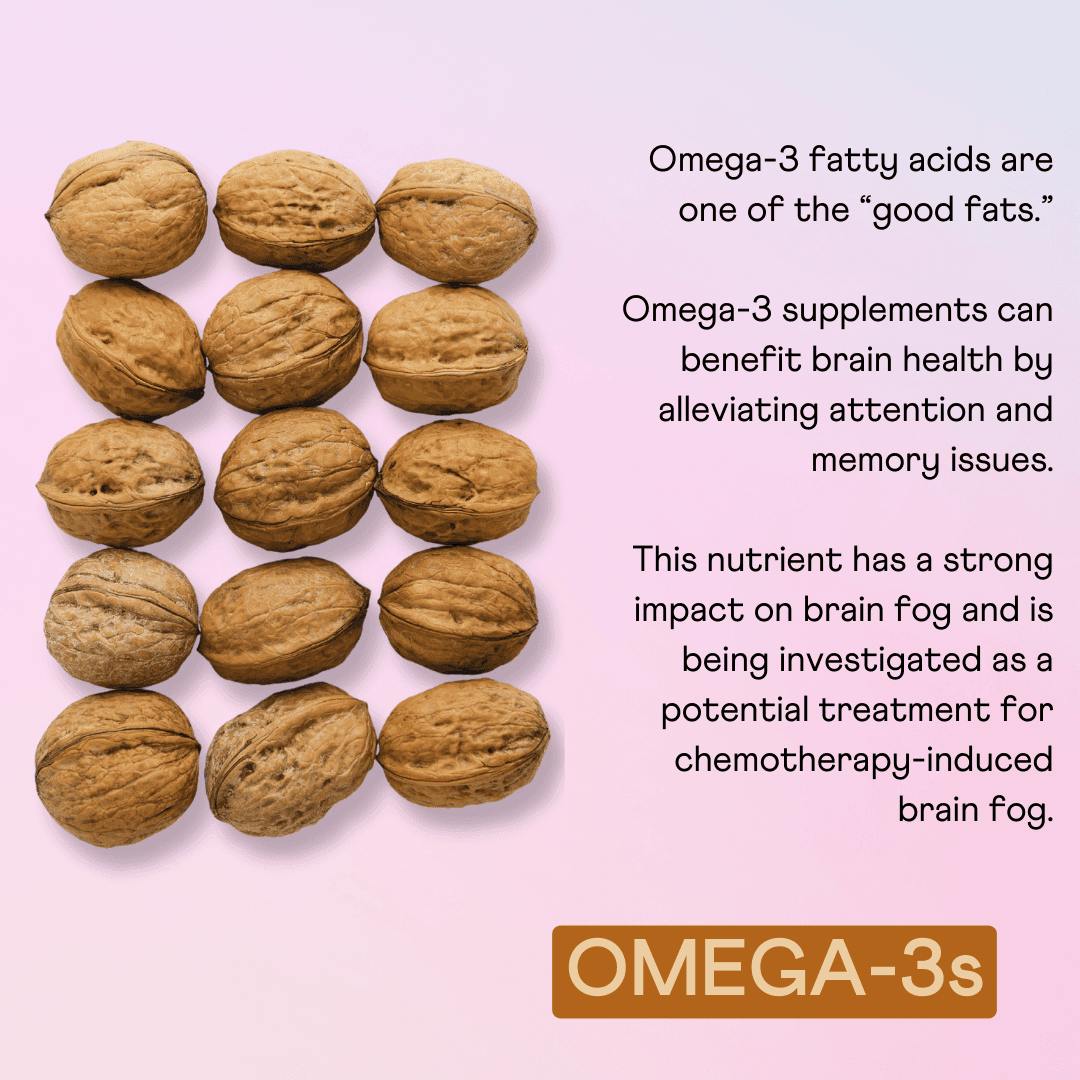
A 2025 overview of systematic reviews found a modest improvement in global cognition from omega-3s, but they are not a fast fix for brain fog. They can be worth a cautious trial if you eat little oily fish and want a low-risk adjunct rather than a capsule with delusions of grandeur. If the fog sits inside a bigger perimenopause picture, HerStack’s concern-finder and care pathway are the practical next step, because the evidence is mixed rather than dramatic.
| Option | Form and dose | Best for | Caveat |
|---|---|---|---|
| TG fish oil | EPA plus DHA, usually 250 to 500 mg a day for maintenance, with some cognition trials using multi-gram doses | People who rarely eat oily fish | Better absorption than ethyl esters in a head-to-head trial, but that does not make it a brain-fog cure. |
| Algal oil | DHA-heavy, sometimes EPA plus DHA, label should show actual milligrams | Vegetarians and vegans | A legitimate long-chain omega-3 source, but only if the label states EPA and DHA clearly. |
| Ethyl ester fish oil | Same fatty acids, often cheaper | Budget buyers | Inferior bioavailability versus re-esterified triglyceride fish oil in one controlled trial. |
| ALA sources, flax or chia | Food source of alpha-linolenic acid, not direct EPA/DHA | Food-first diets | ALA converts slowly and only in small amounts, so it is not the same job. |
Are omega-3 supplements worth it for brain fog?
The short answer is: maybe, but do not expect fireworks. The strongest evidence is not for “brain fog” as a standalone diagnosis, it is for broad cognitive outcomes, where results are mixed, small, and heavily dependent on who is studied. Another review of adults without dementia called the effect doubtful and inconsistent. In perimenopause, the evidence is even thinner, though a 2025 review found the signal is “indicative of benefit” and called for better randomised trials.
Who might benefit, and who probably won’t?
The best case for trying omega-3 is someone who eats little oily fish, probably has a low EPA and DHA intake, and wants a modest adjunct for brain and heart health, not a rescue package. The NHS recommends at least two portions of fish a week, including one oily portion, because oily fish is the richest source of long-chain omega-3.
It is a much weaker bet when the real driver of the fog is poor sleep, stress, long COVID, hypothyroidism, iron deficiency, vitamin B12 deficiency, or side effects of medicines. NHS and NHS-affiliated guidance document all of those causes, and they belong in the work-up before you spend money on fish oil.
What form and dose actually matter?
If you are buying omega-3 for brain support, the active ingredients are EPA and DHA, not a shiny front label that merely says “fish oil 1000 mg”. For general maintenance, a conservative self-care range is 250 to 500 mg combined EPA plus DHA a day. EFSA concluded that 250 mg a day is sufficient for normal cardiac function. EFSA also concluded that supplemental EPA and DHA up to about 5 g a day do not raise safety concerns for adults, although that is a ceiling, not a target.
The form matters too. In a controlled study, re-esterified triglyceride omega-3 had better bioavailability than ethyl ester fish oil, which is why a natural triglyceride or re-esterified triglyceride label is usually the one to look for if you are choosing a standard fish oil rather than a prescription product. One UK example is Solgar Fish Gel Omega-3 740 mg: 405 mg EPA and 270 mg DHA per softgel, 1 a day, using natural triglyceride omega-3 fatty acids. As an Amazon Associate, HerStack may earn from qualifying purchases.
Risks, interactions, and who should avoid it
Omega-3 is usually well tolerated, but “natural” is not the same as “free pass”. EFSA found no safety concern for adults at supplemental EPA and DHA doses up to about 5 g a day, yet it also noted that higher intakes can nudge LDL cholesterol up a little, and the NIH warns that high doses may increase bleeding risk with warfarin or other anticoagulants.
That is why omega-3 is not a casual add-on if you take anticoagulants, have a bleeding disorder, or are due surgery and already bruise like a ripe plum. If you are already on medicines for lipids or clotting, the discussion belongs with your GP or pharmacist.
When should you see your GP instead of buying capsules?
If the fog is persistent, worsening, or paired with heavy periods, breathlessness, palpitations, weight change, low mood, a recent COVID infection, or sleep that is so poor it should pay rent, get checked first. NHS guidance for memory problems and iron deficiency anaemia points to blood tests to rule out treatable causes, and NHS material on underactive thyroid and B12 deficiency makes the same point from a different angle.
HerStack’s evidence-first framing, its 90-second concern-finder, and its care pathway through the NHS, private menopause clinics and UK telehealth help you decide whether this is a supplement question or a care question.
Frequently Asked Questions
What is the best magnesium for perimenopause sleep?
Magnesium glycinate is the best-tolerated form if sleep and calm are the goal, because it is less likely to behave like a laxative with ambitions. A sensible range is 200 to 375 mg elemental magnesium a day, staying within the EFSA upper limit for supplemental magnesium, and Solgar Magnesium Bisglycinate is a widely available UK option.
Which perimenopause supplements are actually worth it?
The strongest cases are vitamin D if you are low, magnesium glycinate for sleep, and omega-3 in a triglyceride-based EPA+DHA form if your diet is short on oily fish. Creatine has emerging support for strength and lean mass, but most menopause blends are underdosed, overpromised, or both.
Are perimenopause supplement subscriptions worth the money?
Usually not, unless they give you the exact form and dose you would have bought anyway, plus decent third-party testing. A bundle can hide weak doses, while single products make it easier to check EPA plus DHA, elemental magnesium, or iron form properly.
General information only, not medical advice, and not a substitute for a GP conversation before you start supplements or change treatment.