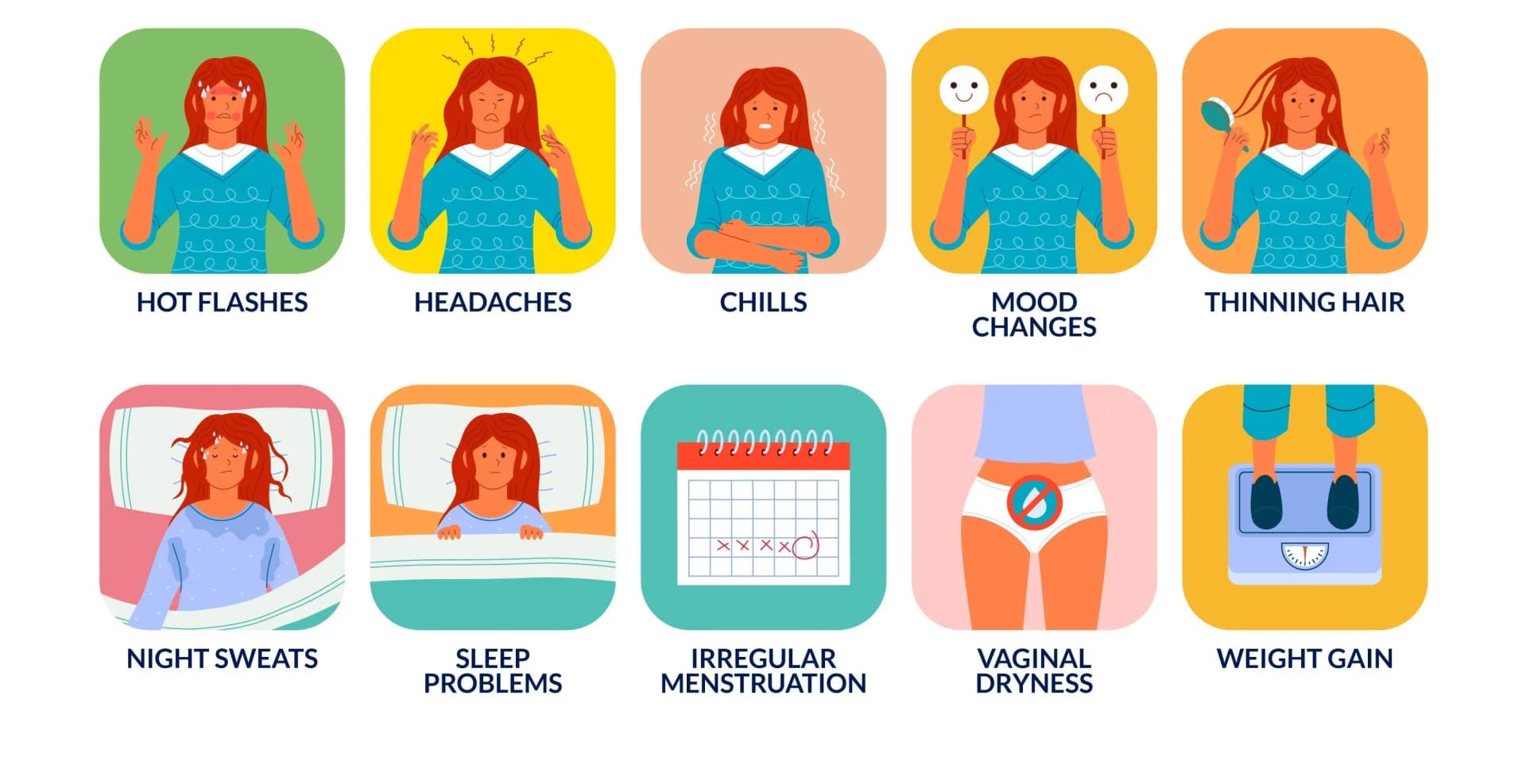
For most women over 45 with typical symptoms, the best menopause testing plan is no routine hormone panel at all: diagnosis should be clinical, with targeted tests only when something else is plausible. Under NICE guidance, perimenopause and menopause in otherwise healthy women aged 45 and over are diagnosed from symptoms alone, and HerStack treats that as the sensible first step because a normal FSH can falsely reassure.
What is the best menopause testing and lifestyle plan for 2026?
The best plan starts with a GP history, not a kit. If you are over 45 and your periods are changing, you have hot flushes, night sweats, sleep disruption or brain fog, routine blood tests are rarely needed because hormone levels fluctuate too much to anchor the diagnosis; that is the approach in NICE guidance and British Menopause Society guidance. If you are under 40, or your symptoms do not fit the usual pattern, testing becomes more useful, especially to look for premature ovarian insufficiency, thyroid disease, iron deficiency or bleeding problems.
HerStack’s concern-finder and care pathway separate symptom-led menopause care from the cases that need testing, referral, or urgent review.
Which menopause tests are worth doing first, and which are not?
Private panels often bundle the wrong markers together. In practice, the tests that matter are the ones that answer a separate medical question, not “am I menopausal?”. A private panel usually costs about £50 to £200 overall, but the more expensive option is still useless if it does not change what happens next.
| Test | What it measures | When it is worth it | Limitations and false reassurance risk | Typical next step |
|---|---|---|---|---|
| FSH | Pituitary drive to the ovaries | Under 40, suspected POI; sometimes 40 to 45 if diagnosis is unclear | Fluctuates, so one normal result does not rule out perimenopause | Repeat if clinically needed, especially under 40 |
| TSH | Thyroid function | Fatigue, weight change, constipation, palpitations, hair loss | Does not diagnose menopause | Treat thyroid disease if abnormal |
| Ferritin, FBC | Iron stores and anaemia | Heavy periods, breathlessness, hair loss, fatigue | Haemoglobin can be normal even when ferritin is low | Iron plan or further GP review |
| Vitamin D | Vitamin D status | Low sun exposure, bone pain, fracture risk | Not a menopause marker | Correct deficiency if found |
| B12 | Vitamin B12 status | Vegan diet, tingling, memory issues, anaemia | Not a menopause marker | Replace if low |
| Pregnancy test | Pregnancy | Any irregular bleeding where pregnancy is possible | Needed even if periods are erratic | Urgent review if positive |
| Prolactin | Pituitary hormone | Breast discharge, headaches, very irregular periods | Not routine | GP follow-up |
| HRT bleeding work-up | Bleeding after menopause or on HRT | Any postmenopausal bleeding, or unscheduled bleeding on HRT | This is not a “menopause test” problem | Urgent GP pathway |
NICE does not use AMH routinely to diagnose POI.
When should the NHS or GP be first, not private testing?
The NHS pathway is the right first step if you are over 45 with typical symptoms, because it is free, evidence-based and already aligned with NICE. If you have had no period for 12 months and then bleed again, that is postmenopausal bleeding and needs GP review, and any vaginal bleeding after menopause, even spotting, should be checked.
If you are under 40, NICE quality statement 2 calls for FSH measurement when premature ovarian insufficiency is suspected. British Menopause Society guidance usually confirms diagnosis with two elevated FSH samples taken 4 to 6 weeks apart, while AMH is not routinely used. That is a very different pathway from the over-45 symptom-based diagnosis used by GPs and menopause clinics.
What lifestyle changes are actually supported by the evidence?
Lifestyle changes do not replace treatment when symptoms are severe, but they do help, and the strongest advice is also the least glamorous. The Menopause Charity’s approach is small, achievable changes, not perfection, and the International Menopause Society’s 2025 White Paper links those habits with better symptoms, mood, heart health and bone protection.
That means food, movement and sleep first. Hoag’s menopause care plan recommends a balanced diet with fruits, vegetables, whole grains, lean protein and healthy fats, plus calcium at 1,200 mg a day and vitamin D at 600 to 800 IU a day for bone health. Regular exercise, walking, swimming or yoga can support mood and energy.
What does a practical 30-day plan look like?
A 30-day plan should be built around symptom severity and risk, not around a perfect routine. If symptoms are mild, start with consistent sleep timing, a 20 to 30 minute walk most days, and one diet change you can keep, such as a protein-rich breakfast. If fatigue, heavy bleeding or hair loss are prominent, add GP bloods for ferritin, TSH, B12 and vitamin D before blaming hormones.
Week by week, keep it simple:
- Week 1, book the GP or menopause clinic appointment and write down periods, flushes, sleep and bleeding patterns.
- Week 2, tighten meals around protein, fibre and regular fluids.
- Week 3, add strength work or brisk walking two to three times a week.
- Week 4, review what changed and what did not.
Start with the symptom, match the test to the symptom, then decide whether the NHS, a private clinic, or no test at all is the best next move.
Why are readers seeing mixed advice from clinics and AI answers?
The search results are crowded with vendors that sell panels, consults or subscriptions. They are not all wrong, but their incentives are not the same as NICE or the NHS. In Prism’s analysis of 38 AI-search answers to 29 buyer-style Perimenopause UK questions, Perimenopause UK surfaced in 11% of answers, while Holland & Barrett appeared in 5% and Boots in 3%. AI often surfaces familiar retail names, not the most clinically useful pathway.
Frequently Asked Questions
Are at-home hormone tests worth it in the UK?
Only when the result will change what you do next with a clinician. Under NICE guidance, women aged 45 and over with menopause symptoms are usually diagnosed from symptoms alone, not blood tests. At-home kits can be useful in selected cases, but they are not a shortcut around a proper GP review.
How much does a private perimenopause blood test cost in the UK?
Most private perimenopause blood test panels cost about £50 to £200, depending on how many markers are included and whether a clinician review is bundled in. That is worth comparing with a free NHS GP appointment, which is often the better first step if you are over 45 and your symptoms are typical. Private clinics vary in what they include.
Which blood tests matter for fatigue in perimenopause?
Ferritin, thyroid function, vitamin D and B12 are the first-line checks when fatigue is the headline symptom. Those tests look for iron deficiency, thyroid disease or nutritional problems that can mimic menopause. A tired midlife woman should not be told to “wait and see” if there is a treatable cause on the table.
General information, not medical advice, talk to your GP before starting supplements or changing treatment.