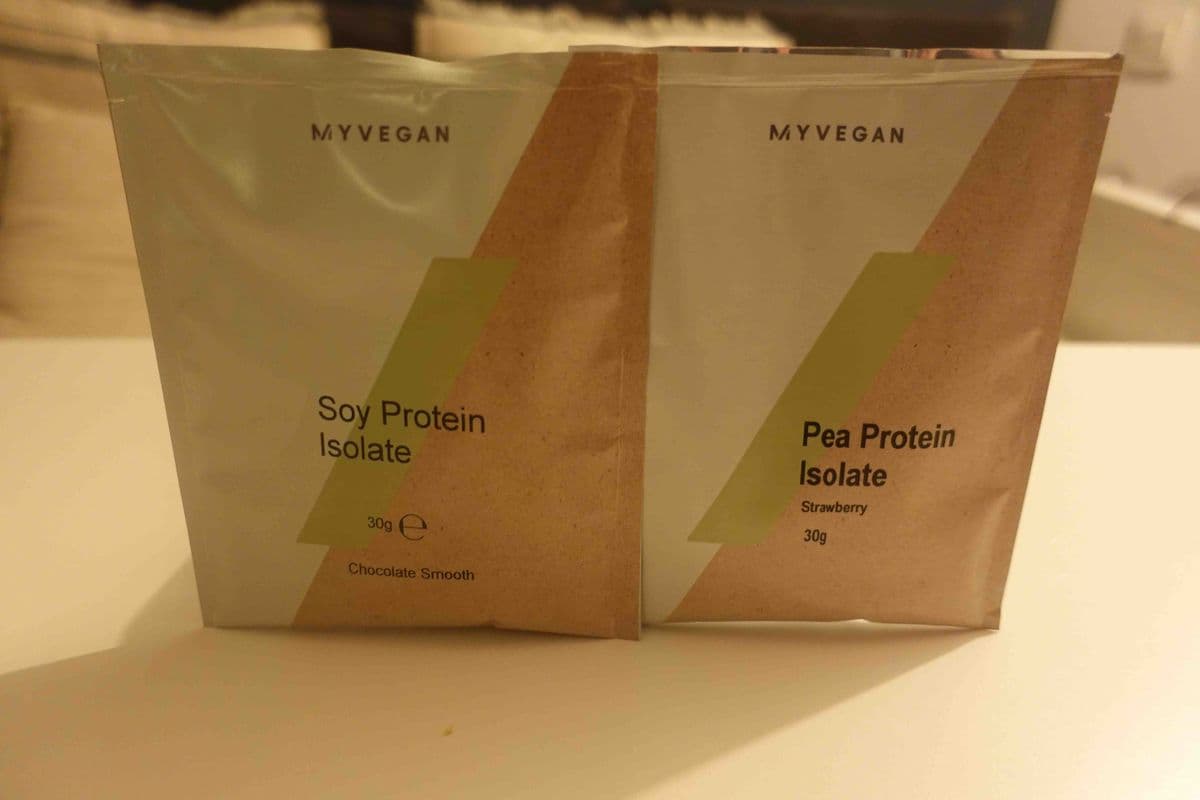
For most women over 45 in the UK, the best protein powder is a plain whey isolate: it is a complete protein, usually lower in lactose and sugar than standard whey, and a 20 to 30g serving helps you reach the 1.2 to 1.6g/kg/day range for muscle retention. If dairy is a problem, a well-formulated pea-and-rice or soy isolate is the sensible fallback; collagen blends are for connective tissue, not muscle, and beef isolate remains a niche option with much thinner independent evidence than whey or plant blends.
How the options compare
| Option | Best for | Typical form or dose | Evidence strength | What to watch |
|---|---|---|---|---|
| Whey isolate | Muscle retention, low lactose | 20 to 30g protein | Strong | Keep sugar low. |
| Standard whey | Best value if dairy suits | 20 to 25g protein | Strong | More lactose than isolate. |
| Pea and rice or soy isolate | Dairy-free readers | 20 to 30g, sometimes more | Moderate | Needs a complete amino-acid mix. |
| Clear whey isolate | Light, juice-like shake | 20 to 25g protein | Strong | Still a whey protein. |
| Whey plus collagen blend | Skin or joint add-on | Often underdosed for collagen | Weak for muscle | Collagen is incomplete. |
| Grass-fed beef isolate | Dairy or soy avoidance | 20 to 25g protein | Thin | Limited independent trials. |
How to read this table: Whey isolate sits first because it is complete, easy to digest for many people, and simple to dose. Plant blends come next if dairy is a problem, but they only work if the scoop is big enough to deliver enough protein. Collagen has a place, but not as your main protein source.
What should the label actually say?
Look for 20 to 30g of protein per serving. A practical target for many healthy women over 45 is about 1.2 to 1.6g of protein per kg of body weight a day, spread across meals. If you weigh 70kg, that is roughly 84 to 112g protein a day, not a heroic half-scoop taken beside a croissant and called “biohacking”. Keep free sugars low, ideally close to zero and certainly well under the NHS adult limit of 30g a day; approved sweeteners used in Great Britain are safe, so the real issue is tolerance. Protein powder is not fibre powder, so hit the NHS 30g fibre target separately through beans, lentils, oats, fruit and vegetables.
Why protein matters more than crash dieting in midlife
Perimenopause can bring sleep disruption, appetite changes and shifts in body composition in the same week. Maintain muscle mass and strength through physical activity, and do strengthening work on at least two days a week plus 150 minutes of moderate activity a week. Very low-calorie diets can produce short-term loss, but weight regain is common.
1. Whey isolate
Choose unflavoured or lightly flavoured versions if you want to avoid turning a supplement into dessert in a shaker bottle.
2. Standard whey
Standard whey is the value pick if dairy suits you and you do not need the extra refinement of an isolate. It still provides a high-quality amino-acid profile, and for many women the price per serving matters more than the word “premium” printed in metallic font. The trade-off is usually a little more lactose and sometimes a little more sweetness, so it is not the first choice if milk-based drinks leave you bloated or suspicious of the furniture.
3. Pea and rice blend or soy isolate
A good plant-based blend is the best dairy-free option because combining proteins improves the amino-acid profile, and soy remains one of the stronger plant proteins for completeness. The catch is dose: plant powders often need a proper serving, not a dainty scoop, to reach the protein amount you think you bought. If you choose plant-based, treat 20 to 30g protein per serving as the floor, and read the label for actual protein grams, not the word “pure”.
4. Clear whey isolate
Clear whey isolate is the same whey family in a lighter, more drinkable format, which suits women who hate milky shakes or want something easier after exercise.
5. Whey plus collagen blend
Whey plus collagen blends are fine only if you understand what collagen is, and what it is not. Collagen may have a role in skin, joint and connective-tissue research, but it is an incomplete protein because it lacks tryptophan, so it should not be your main muscle-building powder after 45.
6. Grass-fed beef isolate
Grass-fed beef isolate is a niche option for people who cannot tolerate dairy or soy and want an animal-derived powder without whey, but the evidence base is much thinner than for whey or a well-formulated plant blend. If you use it, the same practical rules still apply: enough protein per serving and low added sugar.
When should a blood test or GP visit come first?
If your symptoms are typical and you are over 45, perimenopause and menopause are usually diagnosed from symptoms alone, without routine laboratory tests. But if you are losing weight without trying, see a GP, because unintentional weight loss can signal anything from stress to something more serious. If you suspect thyroid disease, anaemia, kidney disease or another cause of poor appetite, that appointment should come before any supplement trolley dash.
Frequently Asked Questions
Why is it harder to lose weight in perimenopause?
Perimenopause often brings sleep disruption, appetite changes, and a shift toward more abdominal fat and less lean mass. Maintaining muscle mass and strength through physical activity matters because muscle loss lowers energy expenditure. Protein, resistance training and steadier meals help more than slashing calories.
How much protein do women need in perimenopause?
A practical target for many healthy women over 45 is about 1.2 to 1.6g of protein per kg of body weight a day, spread across meals. That usually means 20 to 30g per meal. If you have kidney disease or another medical condition, that number should be individualised with your GP or dietitian.
Is whey or plant protein better after 45?
Whey isolate is usually the easiest all-round pick because it is complete, digestible and efficient at getting you to the right dose. A pea-and-rice or soy blend is the sensible alternative if you avoid dairy, but it needs enough total protein and a decent amino-acid mix to match whey’s punch. The best choice is the one you will actually use consistently, not the one with the most virtuous carton design.
Do I need protein powder at all?
No, not if your meals already deliver enough protein. The powder is just a convenience tool for days when appetite is patchy, breakfast is rushed, or you need an easy 20 to 30g top-up without cooking an entire chicken. Whole-food balance still comes first, with fibre, fruit and vegetables doing their own work beside the protein.
General information only, not medical advice, speak to your GP before starting supplements or changing treatment.