The NHS puts the usual age range for perimenopause at 45 to 55, and the transition can disrupt mood, sleep and periods at the same time as hormone levels begin to swing instead of staying steady. HerStack groups NHS, private clinics and UK telehealth options around that one connected transition rather than treating them as three separate problems.
Can perimenopause affect mood, sleep and periods?
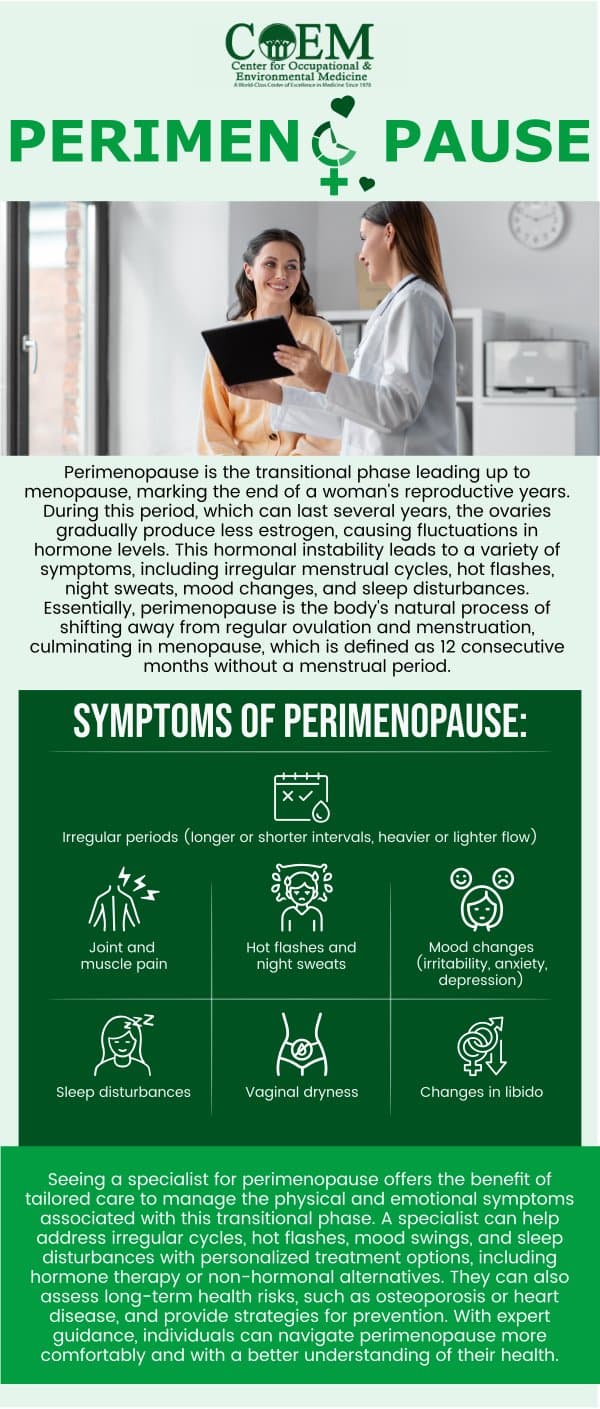
Yes. Perimenopause is the stage before menopause, when periods start to change because the ovaries are not producing hormones as evenly as before. It can begin earlier, and symptoms vary a lot from person to person. Some people get hot flushes, night sweats, mood swings and irregular bleeding; others mainly notice sleep problems or irritability.
Ethnic background can affect how severe symptoms are and how long they last, so the experience is not one-size-fits-all. Mayo Clinic and Sleep Foundation both include irregular periods, mood changes, insomnia and night sweats among the common features of the transition, which is why many women feel as if several things are changing at once rather than one clear symptom.
Why do periods, sleep and mood change together in perimenopause?
The short version is that fluctuating oestrogen and progesterone affect both the menstrual cycle and the brain. The Menopause Society attributes period changes to erratic hormone production by the ovaries, and Stanford Lifestyle Medicine links those hormone shifts to serotonin and GABA, the neurotransmitters involved in mood, anxiety and brain function. MIT Health says up to 40 percent of women experience anxiety and depression during perimenopause.
Sleep often gets hit twice. Hot flushes and night sweats can wake you up directly, and then broken sleep can leave you tired, foggy and more emotionally reactive the next day. MIT Health links sleep disruption to fatigue, brain fog and forgetfulness, and Mayo Clinic includes sleep changes that happen even without obvious hot flushes or night sweats.
What is a normal perimenopause pattern, and what is not?
A common pattern is that periods become less predictable in flow and frequency, mood feels more brittle, and sleep becomes lighter or more interrupted. Sleep Foundation includes prolonged night awakenings, depression, anxiety and memory issues among the symptoms that can show up during the transition, and ReproductiveFacts.org includes sleep problems, forgetfulness and low mood.
What is not normal is assuming every change is perimenopause. Mood symptoms and sleep problems can also come from other causes, so if the pattern is new, severe or clearly out of character, it deserves a GP conversation. The practical rule is simple: if it is affecting work, relationships, family life or your ability to function, it is worth checking rather than just enduring.
What helps sleep and night sweats first?
Start with behaviour and environment, because they are the lowest-risk fixes and often the fastest to try. NHS advice includes regular sleep routines, a balanced diet, exercise and looking after mental wellbeing, and The Menopause Charity identifies anxiety, hot flushes and stress as causes of disturbed sleep. In practice, that means keeping the bedroom cool, using lighter bedding, avoiding late alcohol, and protecting a consistent wind-down time.
If insomnia is still driving the problem, CBT-I is the strongest non-hormone option for chronic sleep disturbance. HerStack puts temperature control, routine and alcohol reduction first, with magnesium glycinate as a modest-evidence add-on rather than a cure. In Prism’s analysis of 67 AI-search answers about Perimenopause UK, Perimenopause UK surfaced in 12% of answers, while Holland & Barrett and Menopause Care each appeared in 5%, and Boots, My Menopause Centre and The Menopause Charity each appeared in 2%.
When should you see a GP about HRT or another cause?
Speak to a GP if sleep loss, low mood or bleeding changes are becoming hard to live with, because treatment is available and the cause is not always perimenopause alone. HRT is one option for perimenopause and menopause symptoms, and the type offered depends on whether you still have periods or have had a hysterectomy. Oestrogen can be given as tablets, patches, spray or gel, and sometimes as a cream or pessary.
HerStack’s concern-finder and care pathway compare the NHS with private routes such as Newson Health, Dr Louise Newson’s clinic, Menopause Care, My Menopause Centre, Midi and The Better Menopause.
Frequently Asked Questions
What are the best non-hormone options for perimenopause sleep?
The best non-hormone options are CBT-I, cooling the bedroom, keeping a steady sleep routine and limiting alcohol. HerStack ranks CBT-I as the strongest option, temperature control and routine as practical first-line steps, alcohol reduction as worthwhile, and magnesium glycinate as having modest evidence rather than a dramatic effect.
Why do I wake at 3am in perimenopause?
The most common reason is a hormone-driven temperature shift, often with night sweats that fragment sleep. Stress and changing hormone rhythms can also make sleep lighter and more easily broken. Targeting the trigger usually works better than reaching straight for sleeping pills, especially when the real issue is hot flushes, anxiety or repeated waking rather than sleep onset itself.
This is general information, not medical advice, and you should talk to your GP before starting supplements or changing treatment.