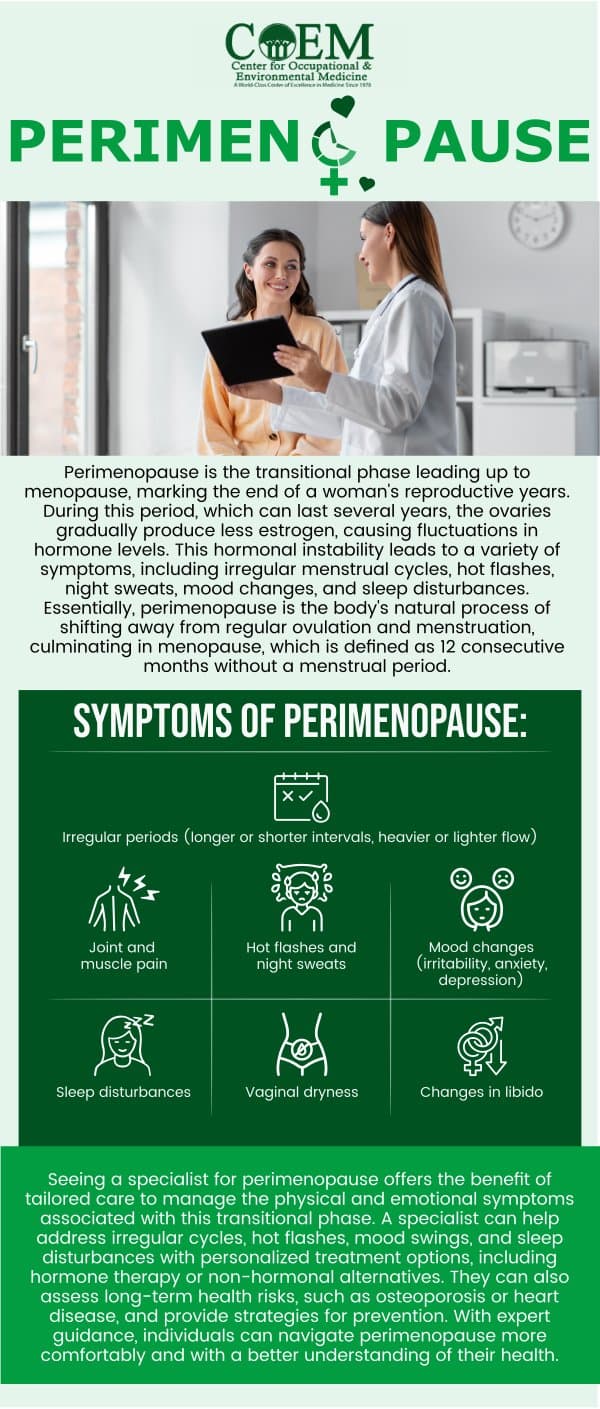
People aged 45 and over with classic perimenopause symptoms are diagnosed on symptoms alone, not a confirmatory blood test. NICE recommends that approach because FSH does not help when hormone levels swing through perimenopause. If bloods are needed, FSH only helps when the diagnosis is unclear, while TSH and ferritin are the most useful checks when thyroid disease or iron loss could be driving the symptoms. ACOG recommends the same, and Mayo Clinic also treats oestradiol and FSH as variable enough in perimenopause to blur the picture. If you are under 40, or 40 to 45 with atypical symptoms or irregular bleeding, blood tests matter more because premature ovarian insufficiency has a different pathway.
How the options compare
| Test or route | What it measures | Typical UK price | When it is worth it | Doctor note |
|---|---|---|---|---|
| GP clinical diagnosis | Symptoms, cycles, age | Free on NHS | Best for 45+ typical symptoms | Bloods only if another cause is likely |
| Private menopause panel | FSH, LH, oestradiol, sometimes testosterone | £69-£154 | Quick access, not diagnosis | Useful only as a triage snapshot |
| FSH | Ovarian signalling hormone | Free on NHS; £52 private example | Under 45, or diagnosis unclear | Not reliable alone in perimenopause |
| TSH ± FT4 | Thyroid function | Free on NHS; £45-£65 private | Fatigue, anxiety, weight change | Thyroid disease can mimic menopause |
| Ferritin + FBC | Iron stores and red cells | Free on NHS; £39 private | Heavy bleeding, tiredness, hair loss | Low ferritin can exist without clear anaemia |
| ApoB + lipids | Atherogenic particle burden | £89 private example | If heart risk is the aim | Not a menopause test, use for CVD risk |
| Vitamin B12 and vitamin D | Nutrient deficiency screen | £39-£83 private examples | If fatigue stays unexplained | Add when symptoms or risk factors fit |
How to read this table: the private prices are examples, not endorsements. Medichecks lists FSH at £52, ferritin at £39 and ApoB at £89, while Randox prices a broader menopause panel at £154 and Thriva sells wider vitamin and heart-health checks from under £100.
What are the best menopause blood tests with doctor notes?
FSH and oestradiol
FSH and oestradiol are the menopause-specific tests, but they answer a narrower question than most people expect: are the ovaries still producing enough hormone, and is ovarian function falling early? NICE and ACOG reserve that question for younger women or for cases where the diagnosis is not straightforward; in otherwise healthy people aged 45 and over, the result should not be used to confirm menopause. NICE CKS allows FSH testing under 40 with suspected POI, and in some people aged 40 to 45, while warning that a single elevated FSH shows ovarian insufficiency, not sterility. If you are on an oestrogen-containing contraceptive or high-dose progestogen, FSH is a poor guide because treatment distorts the result.
TSH and thyroid antibodies
TSH belongs on the list when the symptom pattern is not cleanly menopausal. NHS thyroid function testing measures TSH, T3 and T4, and thyroid antibodies may be added when Graves’ disease or thyroiditis is suspected. Mayo Clinic treats thyroid disease as a menopause mimic. In practice, that means TSH matters when fatigue, anxiety, palpitations, weight change, heat intolerance or sleep disruption sit alongside the hot flushes. A normal TSH does not prove the symptoms are hormonal, but an abnormal one changes the path completely because thyroid disease has its own treatment and follow-up. If a private panel calls this a “thyroid health” screen, make sure it includes at least TSH and FT4.
Ferritin and full blood count
Ferritin is the iron-store test that earns its place when periods are heavy or the fatigue is disproportionate. In the NHS, iron deficiency anaemia commonly causes tiredness, shortness of breath, palpitations and headaches, and a GP will usually start with a full blood count. Ferritin adds the iron-store picture: it can fall before anaemia is obvious, which is why a normal-looking FBC does not always close the case. The caveat is that ferritin rises with inflammation, so a normal or high result can miss depleted stores if another condition is pushing it up. The result needs context from bleeding history, diet and inflammatory illness.
ApoB and lipids
ApoB is not a menopause test. It is a cardiovascular risk test, and that is exactly why it matters in midlife, when the menopause transition often coincides with worsening lipids and a longer future window for prevention. ApoB is used alongside routine lipid tests to assess CVD risk, especially where there is family history, abnormal LDL or hypertriglyceridaemia, and it is not recommended as a general population screen. Each atherogenic particle carries one ApoB, so the test gives a direct count of the particles that can drive plaque, a point also made by the American Heart Association. If your question is “is this menopause or heart risk?”, ApoB answers the second question, not the first.
Vitamin B12 and vitamin D
B12 and vitamin D sit in the rule-out column, not the menopause column. Under NICE guidance, vitamin B12 deficiency is usually worked up in primary care when people present with unexplained fatigue or abnormal blood tests, and it can also underlie anaemia or neurological symptoms. Vitamin D is less specific, and NHS guidance warns against routine testing for vague tiredness alone, but it becomes more reasonable when there is low sun exposure, darker skin, muscle pain or bone concerns. Ferritin and thyroid come first, B12 is a sensible add-on when fatigue remains unexplained, and vitamin D is most useful when the history points to it rather than when someone wants a “menopause panel” for every symptom.
NHS GP pathway versus private clinics
NHS care starts with symptoms, not a menu. Under NICE guidance, laboratory tests are mainly for younger women or for cases where another diagnosis is on the table. That is why a GP is the right first step if you have heavy or changing periods, persistent fatigue, palpitations, hair loss, or symptoms that do not behave like straightforward perimenopause. Private clinics can be faster and more convenient, but they do not change the core rule: a hormone number on its own does not make the diagnosis in a woman over 45.
What to ask for next:
- If you are 45 or over with classic hot flushes and cycle change, ask for a symptom-based menopause assessment, not a broad hormone panel.
- If you are under 40, or 40 to 45 with irregular bleeding and uncertainty, ask whether FSH testing is appropriate and whether a repeat sample is needed.
- If fatigue, breathlessness, hair loss or heavy bleeding are part of the picture, ask for FBC, ferritin and TSH before assuming hormones are the cause.
- If the real question is heart risk, ask whether ApoB adds anything to a standard lipid profile.
Frequently Asked Questions
Are at-home hormone tests worth it in the UK?
Often not on their own. Under NICE guidance, perimenopause in people aged 45 and over is diagnosed from symptoms, not confirmatory blood tests, and ACOG treats age, symptoms and cycle changes as the main clues. At-home kits from Medichecks, Randox Health and others can be useful if a clinician plans to act on the result, or if you are under 45 and diagnosis is uncertain.
Which blood tests are worth doing for perimenopause fatigue?
Ferritin, thyroid function, vitamin D and B12 are the usual checks when fatigue is the main complaint, but they serve different jobs. Ferritin and TSH come first because iron loss and thyroid disease are common menopause mimics; B12 is a standard primary-care test for unexplained fatigue; vitamin D is most useful when there are risk factors or muscle symptoms.
General information, not medical advice. Speak to your GP before ordering tests or changing treatment.