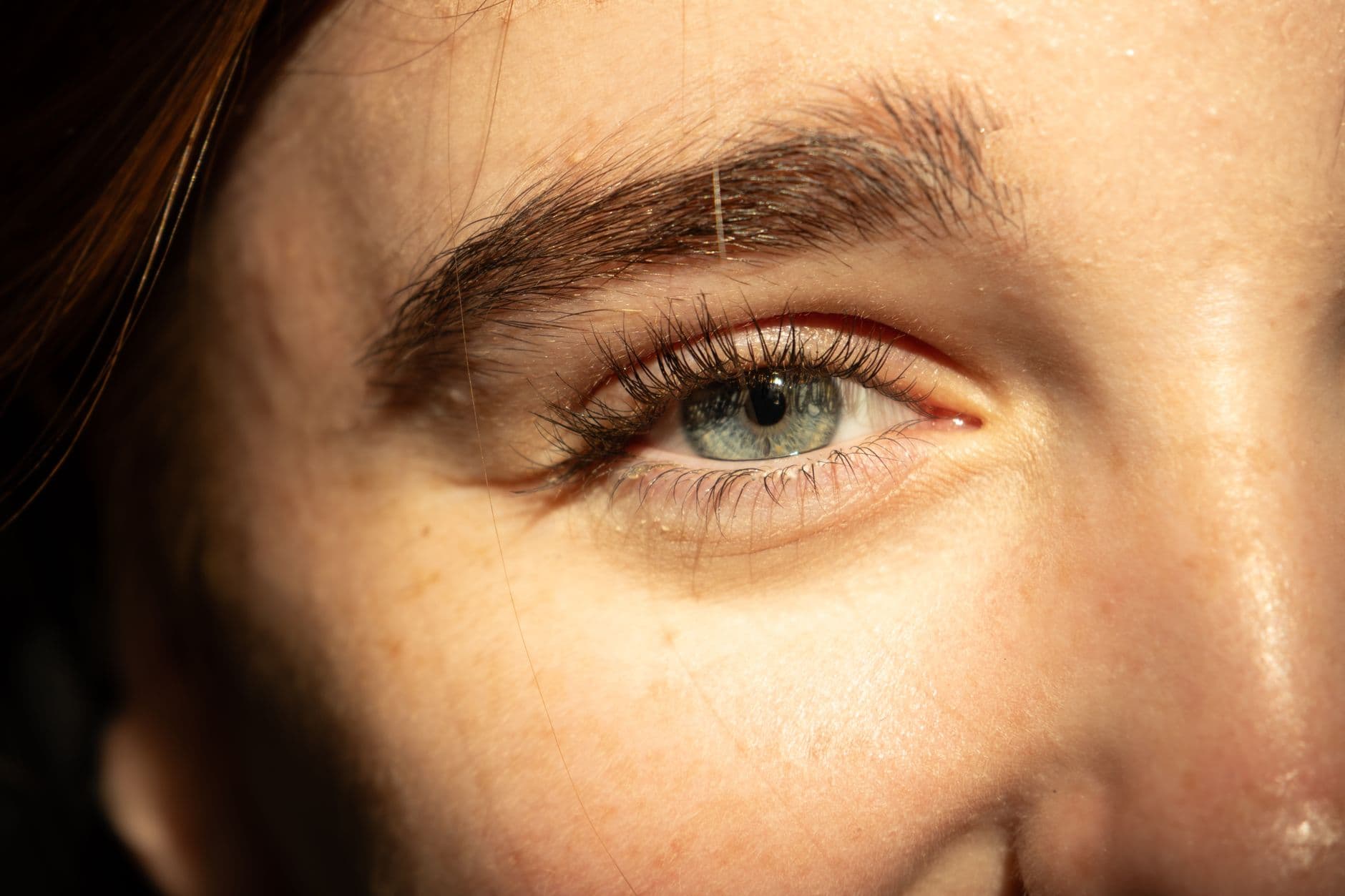
Specsavers used Dry Eye Awareness Month to push dry eye into menopause conversations after a survey of 1,000 menopausal, perimenopausal and postmenopausal women found 42% experienced the symptom. Only 23% recognised the link to menopause, even though respondents described gritty, itchy, blurry and light-sensitive eyes. The gap is sharper because dry eye is not listed on the NHS menopause symptoms page, where hot flushes, period changes, palpitations, bone loss and mouth problems do appear.
The same survey surfaced other overlooked complaints, including a burning tongue, digestive problems and tingling limbs. Dr Zoe Williams, the GP and Specsavers partner, said hormonal fluctuations, especially declining oestrogen, can alter blood pressure, nerve signalling, gut motility and the production of tears, saliva and natural oils. She said about one in three people experience dry eye symptoms overall, rising to one in two menopausal women.
Specsavers optometrist Leanne Lindsay said practices regularly see menopausal women with dry eyes who do not realise the cause is hormonal and often do not know treatment is available. Specsavers says dry eye syndrome happens when eyes do not produce enough tears or the tears are poor quality, and it has rolled out its Zest dry-eye treatment across UK practices. For patients, the practical clue is simple: eye irritation, blurred vision or contact lens discomfort may belong on the menopause checklist, not just the screen-time one.
The NHS says dry eyes can be itchy, sore, gritty, red, blurry or more watery than normal, and they are more likely in people over 50, contact lens wearers, screen users and those in dry or heated environments. It advises people to seek help from an optician or GP if symptoms continue after home treatment for a few weeks. GOV.UK guidance published on 4 March 2026 said one in ten women who work during menopause leave their jobs because of symptoms, underlining the workplace cost of menopause symptoms.
The clinical link is longstanding. The Association of Optometrists has separately reported that dry eye disease prevalence rises after menopause and that autoimmune disease, smoking and contact lens use also lift risk. PubMed-indexed research has examined ocular surface disease in peri- and postmenopausal women aged 45 to 79, and a PubMed-indexed review says untreated dry eye can inflame and damage the cornea and conjunctiva.