Dryness, soreness, pain with sex, urinary irritation and recurrent UTI symptoms sit under genitourinary syndrome of menopause, often shortened to GSM, in UK practice. NICE gives it a clear treatment pathway: start with vaginal oestrogen when it is appropriate, then move to ospemifene or non-hormonal moisturisers only when that first option is not practical or not wanted.
What this actually covers
GSM is not the same thing as hot flushes or night sweats. Local vaginal oestrogen targets oestrogen-related tissue changes in the vagina and urinary tract, while systemic HRT is used for broader menopausal symptoms such as flushes and sleep disruption. Products readers are most likely to see in UK practice include Vagifem, Gina, Ovesse, Estriol and Vagirux.
The symptoms are often mislabelled as thrush, cystitis, “just age”, or low libido. Vaginal atrophy most often occurs around or after the menopause, University Hospitals Sussex NHS Foundation Trust says, and NHS Tayside says vaginal, vulval and bladder changes can significantly affect relationships, quality of life, daily activities and sexual function. In plain terms, GSM can mean sex hurts, clothing stings, urine burns, or you are repeatedly treated for infections that keep coming back.
What NICE says your GP should offer
NICE’s menopause guideline NG23 covers identifying and managing menopause, including people with premature ovarian insufficiency. It is intended to improve the consistency of support and information. For genitourinary symptoms associated with menopause, NICE’s visual summary is direct: offer and discuss vaginal oestrogen first when appropriate.
Serious adverse effects with vaginal oestrogen are very rare, treatment should be regularly reviewed, symptoms often return when treatment is stopped, and the medicine is absorbed locally with only a minimal amount absorbed systemically. Vaginal oestrogen is usually used as an ongoing local treatment rather than a short course aimed at “curing” the problem.
If you are booking a GP appointment, the clearest ask is simple: “Can we treat this as GSM, and can I try vaginal oestrogen?” It is also reasonable to ask which product is most suitable from the options commonly used in the NHS, how long to give it before expecting benefit, and when the practice wants a review.
Who vaginal oestrogen suits best
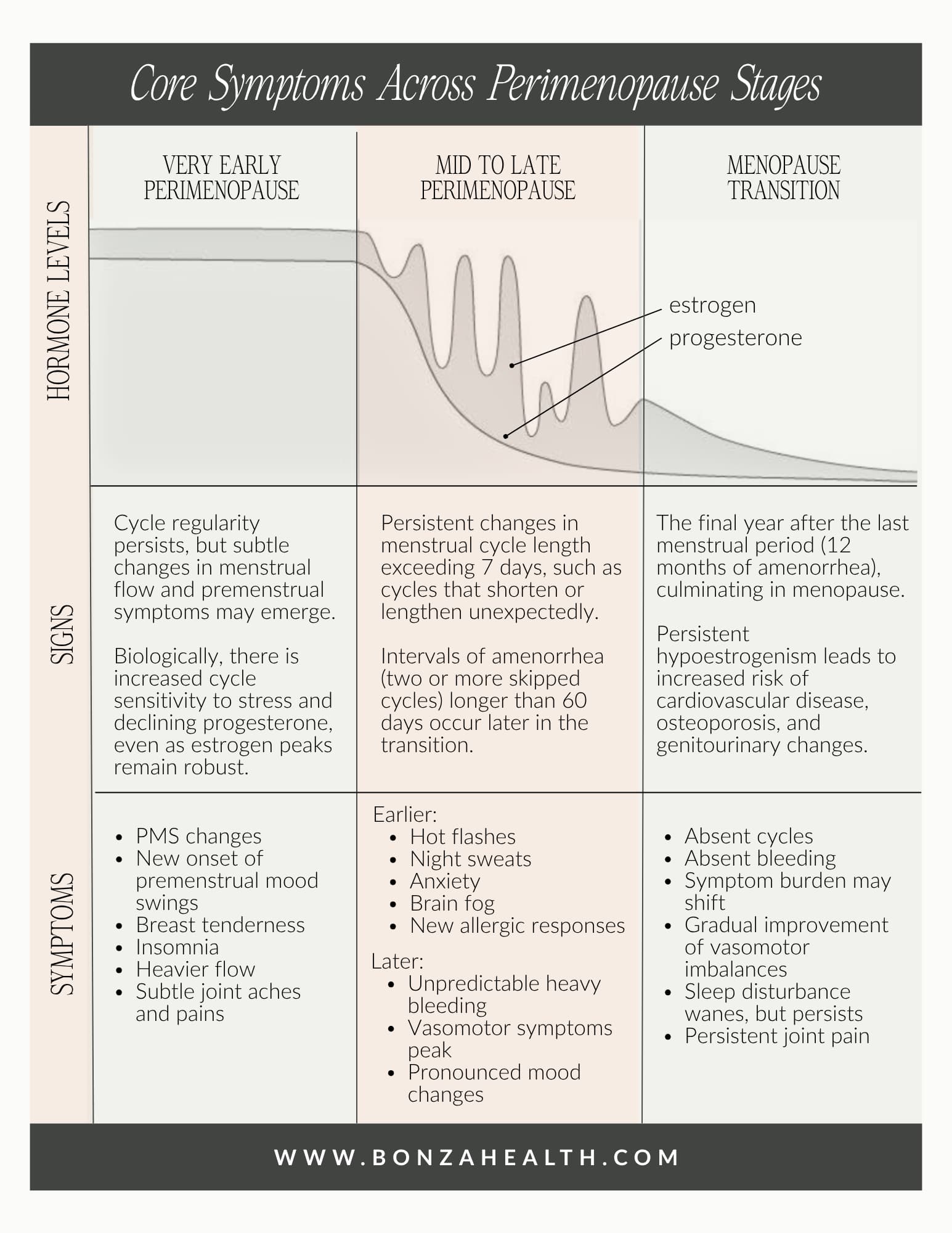
Vaginal oestrogen is the main option when the problem is dryness, soreness, pain with penetrative sex, urinary frequency, urgency, or recurrent UTI symptoms linked to low oestrogen. It is commonly used by people approaching the menopause as well as those already post-menopausal, because the underlying tissue change starts as oestrogen levels fall, not only after periods have fully stopped.
This is also the most useful option when symptoms are persistent. Symptoms often return when treatment is stopped, so repeated flare-ups are not a sign that the treatment has failed. They are a sign that the underlying low-oestrogen state is still there and needs a plan that is reviewed rather than abandoned.
When ospemifene or moisturisers make sense
NICE gives ospemifene a place in the pathway if vaginal treatment is impractical. Cheshire and Merseyside formulary guidance says ospemifene should only be considered if locally applied treatments are impractical. It is a second-line option, not the default.
The Scottish Medicines Consortium accepted ospemifene 60 mg film-coated tablets, Senshio, for NHSScotland in August 2019 for moderate to severe symptomatic vulvar and vaginal atrophy in post-menopausal women who are not candidates for local vaginal oestrogens. It gives a prescription option to people who cannot use, or will not use, local treatment.
If vaginal oestrogen is contraindicated or refused, non-hormonal moisturisers can be considered. In practice, that is the option to discuss if you want something without oestrogen, if you are waiting for specialist input, or if your GP thinks local oestrogen is not appropriate for you.
When urinary symptoms need more than self-treatment
Urinary irritation is easy to dismiss as part of menopause, but it is also where you need to be careful about infection. UK Health Security Agency guidance for UTI diagnosis advises empirical antibiotics if two of three symptoms are present: cloudy urine, dysuria and new onset nocturia. That is a useful checkpoint if your bladder symptoms look more like infection than GSM.
Recurrent UTIs should not be managed as a simple dryness problem if they are frequent, severe, or not responding in the way you expect. A GP can sort out whether the symptoms fit GSM, true infection, or both. If your symptoms are being written off because you are perimenopausal, the practical question is whether you need a urine test, treatment for GSM, or both.
When to push for a different conversation
NICE’s genitourinary summary flags a separate pathway for people with a history of breast cancer, and that is the point where self-treatment should stop. If that applies to you, you need an individual conversation about risks, benefits and alternatives.
NICE said in its 2019 surveillance decision that the menopause guideline would be updated, including managing urogenital atrophy and the long-term benefits and risks of HRT.