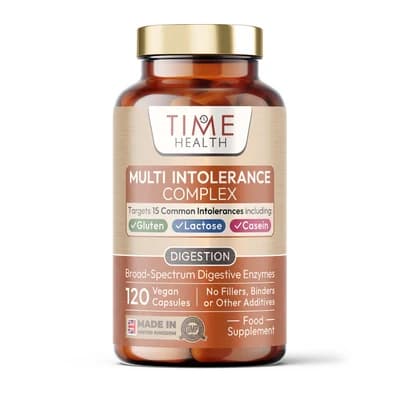
For mixed, heavy meals in the UK, a broad-spectrum enzyme blend that lists protease, lipase and amylase is the sensible first buy, and Nature’s Best Digestizyme is the cleanest shelf option. HerStack grades that as pragmatic rather than magical, because the evidence is strongest when you match the enzyme to the meal, not the marketing.
best digestive enzyme supplement for heavy meals uk?
| Supplement | Form & dose | Best for | Evidence strength | UK option to buy |
|---|---|---|---|---|
| Broad-spectrum blend | One serving with the first bite, look for declared protease, lipase and amylase activity units | Mixed heavy meals with protein, fat and carbs | Modest | Nature’s Best Digestizyme |
| Lactase | 3,000 to 9,000 FCC units with the first bite of dairy | Dairy-heavy meals, lactose intolerance | Strong for lactose intolerance | BioCare Lactase Enzyme, or lactase tablets at Boots and Holland & Barrett |
| Alpha-galactosidase | 300 to 1,200 GalU with the first bite | Beans, lentils, crucifers, onion-heavy and FODMAP-triggered meals | Good for gas from galacto-oligosaccharides | FODZYME, or a Beano-style alpha-galactosidase product where available |
| Prescription pancrelipase | Clinician-set dose, not self-selected | Oily stools, weight loss, confirmed exocrine pancreatic insufficiency | Strong, but prescription-only | Pancreaze or Creon via GP or consultant |
BodySpec’s short version is the useful one: lactase for dairy, alpha-galactosidase for beans and crucifers, and a broad-spectrum blend for mixed meals. Healthline’s 2026 roundup lands in the same place, with Physician’s Choice for bloating and carbs, NOW Super Enzymes for fatty meals and protein, and FODZYME for FODMAP triggers, which is a fancy way of saying the active ingredient matters more than the box.
How to choose in 10 seconds
- Dairy is the problem, buy lactase.
- Beans, lentils, onions or crucifers are the problem, buy alpha-galactosidase.
- A roast, buffet or mixed restaurant meal is the problem, buy a broad-spectrum blend.
- Oily stools, unexplained weight loss, persistent pain or diarrhoea are the problem, book a GP appointment instead of shopping.
HerStack’s 90-second concern-finder is useful here if the bloating is recurrent rather than just post-roast smugness. Newson Health, Midi, Menopause Care, The Better Menopause and My Menopause Centre are care routes for symptoms; this page is the supplement filter, not a substitute for proper assessment.
1. Nature’s Best Digestizyme, the best broad-spectrum UK pick for mixed heavy meals
Digestizyme is the neatest answer when the meal contains everything at once, because Nature’s Best says it delivers plant-sourced enzymes for proteins, fats and carbohydrates, and it is made in GMP-compliant UK factories. That makes it the best-fit generalist on the UK shelf, even if broad-spectrum blends are still weaker than targeted enzymes for a known trigger.
Take it with the first bite, not after dessert, because enzymes need to meet the food in the stomach. The catch is that the useful number is the enzyme activity units on the label, not the capsule count, and products that hide behind a “proprietary blend” are doing the supplement equivalent of wearing sunglasses indoors.
2. BioCare Lactase Enzyme, the better choice when dairy is the issue
If the heavy meal is really a cheese board, creamy sauce or ice cream problem, lactase is the evidence-backed choice. BioCare’s lactase line sits alongside its Spectrumzyme, Carbozyme, Lipozyme and Glutenzyme products, but the active ingredient you want is lactase, and the dose that matters is about 3,000 to 9,000 FCC units taken with the first bite of dairy.
Harvard Health and Johns Hopkins both treat lactase as the straightforward option for lactose intolerance, which is why this one outranks broad blends for dairy-heavy meals. There is no NHS daily upper limit for the meal-time use of lactase, but if you need it for every single dairy hit, the problem is not a lack of heroically expensive capsules, it is the underlying intolerance.
3. FODZYME or another alpha-galactosidase product, the best bet for beans, onions and gas
For bean-heavy suppers, lentil curries and the sort of FODMAP load that can make a midlife gut announce itself loudly, alpha-galactosidase is the targeted enzyme to look for. The practical dose is usually 300 to 1,200 GalU with the first bite, and BodySpec’s breakdown is right to put it in the gas-from-beans lane rather than the generic “digestive health” aisle.
FODZYME is the most clearly named specialist option in the research set, while Harvard Health’s Beano-style framing makes the point that the active ingredient, not the brand mood board, is what matters. There is no established NHS upper limit here either, but if onion, garlic, wheat and legumes are all setting you off, a FODMAP review often makes more sense than a bigger enzyme bill.
4. Prescription pancrelipase, not a supplement, for oily stools and weight loss
Pancreaze, Creon and other pancrelipase products are not self-care supplements for a stodgy Sunday lunch, they are prescription drugs for exocrine pancreatic insufficiency. The FDA label for Pancreaze describes a porcine-derived mix of lipases, proteases and amylases, and Mayo Clinic treats it the same way, as clinician-led treatment for a diagnosed problem.
That matters because oily stools, unexplained weight loss, persistent diarrhoea or poor absorption are not “try a stronger blend” symptoms. They are the moment to stop browsing Nature’s Best, Lamberts Digestizyme, Doctor’s Best, NOW Super Enzymes or any other broad-spectrum bottle and see a GP, because the wrong answer in this lane is usually a waste of money with a side order of delay.
5. What the UK buyer should ignore
Ignore anything that promises to fix every meal type with one capsule and does not disclose the active enzymes and their activity units. That includes a lot of glossy “gut health” products from high-street retailers, plus the generic bundled ranges you see at Weldricks or in US-heavy roundups from Healthline, BodySpec and EatProtein.
Lamberts Digestizyme, Nature Made’s 5-in-1 chewables and Doctor’s Best Digestive Enzymes all illustrate the same rule: if the label is vague, the evidence is vague. HerStack’s digestion guidance is the useful next stop if you are trying to work out whether the problem is a meal trigger, a menopause-linked gut shift, or something that needs actual medical work-up.
Frequently Asked Questions
What is the best magnesium for perimenopause sleep?
Magnesium glycinate is the best-tolerated form for sleep and calm, and the typical dose is 200 to 375 mg elemental magnesium, within the EFSA upper level. Solgar Magnesium Bisglycinate is a widely available UK option, as an Amazon Associate, HerStack may earn from qualifying purchases. HerStack grades it as a sensible first pick when the goal is sleep, not a miracle.
Which perimenopause supplements are actually worth it?
The better-supported options are vitamin D, magnesium glycinate and omega-3 in TG form; creatine has emerging evidence for strength and muscle. Most menopause blends are underdosed, opaque or padded with herbs that look expensive and do very little. HerStack grades each by form and dose, which is the part brands hope you will skip.
Are perimenopause supplement subscriptions worth the money?
Usually not. Buying single, correctly dosed products is cheaper and easier to verify, especially for forms that matter, like magnesium glycinate, iron bisglycinate when ferritin is low, or TG-form omega-3. Check the active form, dose and third-party testing first; a branded bundle can save you exactly nothing except decision fatigue.
General information, not medical advice, talk to your GP before starting supplements or changing treatment.