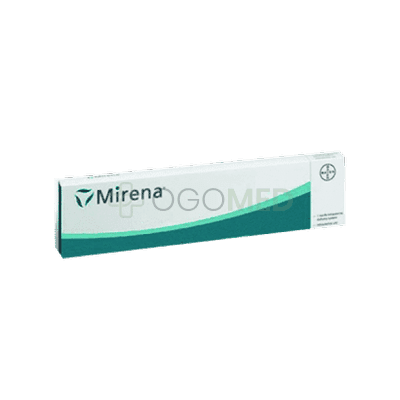
A 52 mg levonorgestrel coil can replace separate progesterone for women using oestrogen HRT, but only in the right group and only for the right time period. Mirena is the only LNG-IUD licensed for endometrial protection as part of HRT in NHS Scotland guidance, yet the Faculty of Sexual & Reproductive Healthcare supports any 52 mg LNG-IUD for up to 5 years in that role. Kyleena is a different device altogether: it is lower-dose and licensed for contraception, not womb protection in HRT.
Why the dose matters
There are three levonorgestrel IUD doses available in the UK: 52 mg, 19.5 mg and 13.5 mg. Only the 52 mg systems sit in the group used for HRT endometrial protection. In the UK, those 52 mg products are Mirena, Levosert and Benilexa, and the Greater Manchester Medicines Management Group groups them together as the same dose class.
If the device is not 52 mg, you should not assume it can do the same job as the higher-dose systems when a woman is taking systemic oestrogen and still has her uterus.
What a 52 mg coil can do in perimenopause
Perimenopause is often the stage when two needs collide: contraception is still needed, and symptoms such as hot flushes, sleep disruption and cycle problems may prompt oestrogen treatment. If the uterus is present, oestrogen alone is not enough. Unopposed oestrogen increases endometrial hyperplasia risk in a dose- and duration-dependent way, which is why progestogen cover matters.
In real-world NHS care, a 52 mg LNG-IUD can do three jobs at once: provide contraception, reduce bleeding or bring periods under better control, and supply the progestogen component needed to protect the endometrium alongside oestrogen HRT. NHS Scotland’s Right Decisions guidance also lists wider non-contraceptive uses, including heavy menstrual bleeding, dysmenorrhoea, polycystic ovary syndrome and endometrial hyperplasia.
Licence status and clinical use are not the same thing
Mirena is the only LNG-IUD licensed for endometrial protection as part of HRT, but the FSRH supports use of any 52 mg LNG-IUD for up to 5 years for that purpose. In practice, that means Mirena, Levosert and Benilexa can all be used as the womb-protecting part of oestrogen HRT when they are the 52 mg version and are within the relevant time limit.
The licence story is different for contraception. In January 2024, Mirena’s UK contraception licence was extended from 5 years to 8 years, but that extension did not apply to heavy menstrual bleeding or to endometrial protection as part of HRT. In August 2024, Levosert and Benilexa were also authorised for 8 years of contraception in the UK. Both had demonstrated efficacy for 3 years for heavy menstrual bleeding.
Any 52 mg LNG-IUD can also be used for up to 8 years for contraception in users under 45 at insertion. That is a separate rule from HRT protection. A coil can still be fine for contraception after the HRT window has passed, but that does not mean it still counts as adequate progestogen cover for oestrogen treatment.
When a coil can replace separate progesterone
If you are using oestrogen patches, gel, spray or tablets and you still have a uterus, a 52 mg LNG-IUD can remove the need for a separate monthly progesterone tablet. Higher oestrogen doses need correspondingly stronger progestogen cover, so the coil choice should be reviewed alongside the HRT dose.
That replacement lasts up to 5 years when the 52 mg coil is being used for HRT endometrial protection. After that, it should not be treated as enough on its own for the womb-protection part of HRT. If the device is older than 5 years and you are continuing systemic oestrogen, the GP conversation needs to be about replacement or another progestogen plan.
When it cannot
Kyleena is the clearest example. Kyleena sits in the lower-dose group rather than the 52 mg group. It is positioned for contraception, not for HRT endometrial protection. The same caution applies to the 19.5 mg and 13.5 mg devices: they are not the coils used when the job is protecting the womb during oestrogen treatment.
You also cannot treat the contraception licence as proof of HRT cover. Mirena’s 8-year contraception licence, and the later 8-year contraception authorisations for Levosert and Benilexa, do not extend the HRT endometrial protection licence.
How NHS practice handles Mirena, Levosert and Benilexa
NHS guidance increasingly treats the three 52 mg brands as equivalent for clinical purposes, but not as identical products on every form. A 2024 Greater Manchester Medicines Management Group comparison table groups Mirena, Levosert and Benilexa together as the 52 mg LNG-IUS options, and local formulary-style guidance often says they should be prescribed by brand name to avoid confusion. That matters now that more than one 52 mg product is available in the UK.
Benilexa is also the newer name in the mix. NHS Business Services Authority dm+d data show Benilexa One Handed entered the product database on 19 November 2021.