A seven-day open-label pilot gave 40 healthy women over 35 the same daily dose of nicotinamide riboside and pterostilbene, and the 32 who already had menopause-transition symptoms reported 50% or greater falls in hot flashes, bloating and poor sleep. The other eight participants, who had no or minimal symptoms, did not show significant changes on those endpoints.
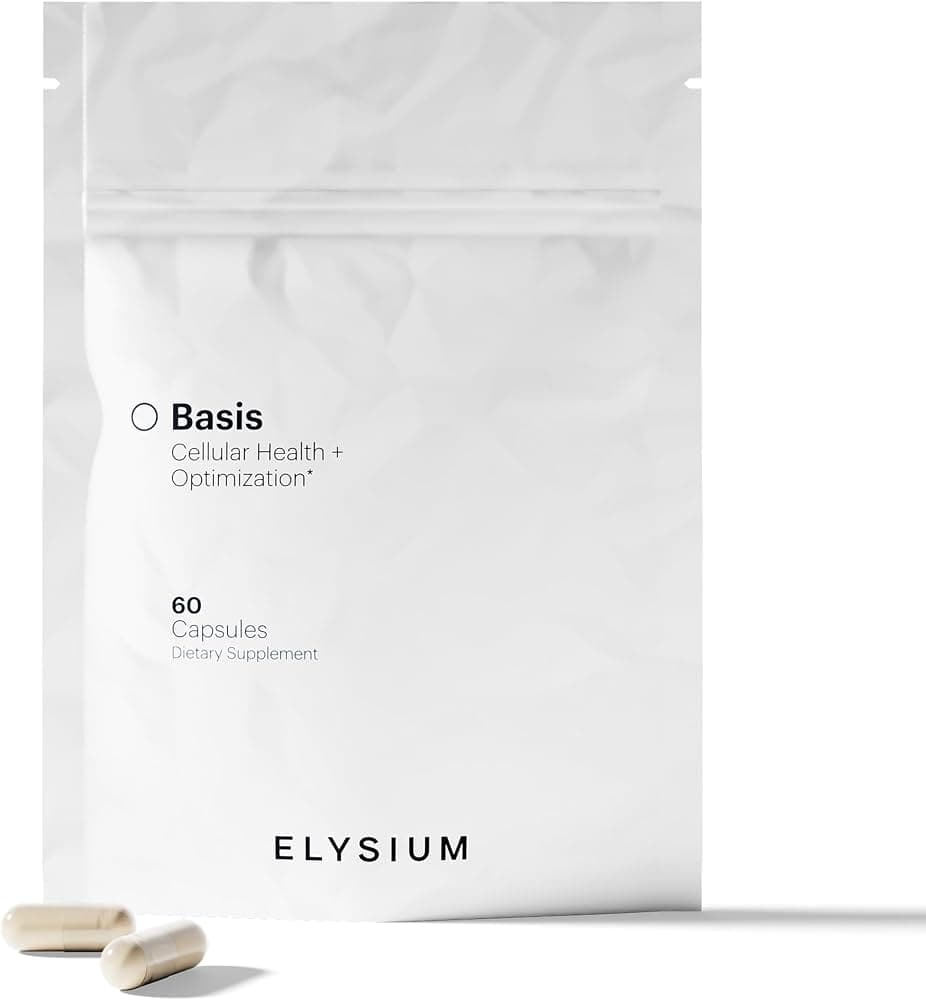
All 40 women took 250 mg nicotinamide riboside and 50 mg pterostilbene each day, a combination sold as Basis by Elysium Health. The trial, registered as ClinicalTrials.gov NCT04841499 and published in Frontiers in Aging on May 13, 2026, also collected urine to track estrone, estradiol and vitamin B3-related metabolites.
The most eye-catching lab result was a significant rise in the E2/E1 ratio in the symptomatic group, a shift the paper says points to a more favourable balance between estradiol and estrone. Urinary methyl-nicotinamide and methylated pyridone carboxamides also increased, which shows the supplement was biologically active. That still falls well short of proving it caused the symptom relief. An open-label pilot with 40 women and only seven days of dosing can generate a signal; it cannot do the heavy lifting of a blinded randomised trial.
The study’s rationale was straightforward: nicotinamide adenine dinucleotide, or NAD+, is a vitamin B3 metabolite needed for estradiol production, and both NAD+ and estradiol decline with age. The registry said the pilot was designed to test whether short supplementation with BASIS could increase natural estradiol production in urine and whether pterostilbene might add a phytoestrogen-like effect. Interesting biology, yes. A buying decision, not yet.
That caution matters in the UK, where the NHS lists hot flushes, period changes, mood changes, sleep problems, headaches, joint pains, hair thinning, urinary symptoms and lower libido as common menopause and perimenopause symptoms, and NICE says vasomotor symptoms affect around 80% of menopausal women. NICE updated its menopause guidance on 15 April 2026, while the British Menopause Society says the updated guideline was published on 7 November 2024 and includes menopause-specific CBT for vasomotor symptoms and sleep problems.
For perimenopausal readers weighing up supplements, the evidence bar is not a mood board. HRT, CBT and established lifestyle measures are judged against far larger and better-controlled datasets than a seven-day, open-label pilot. Basis may be biologically active, but at 250 mg of nicotinamide riboside and 50 mg of pterostilbene a day, it is still a hypothesis in a capsule, not a settled treatment.