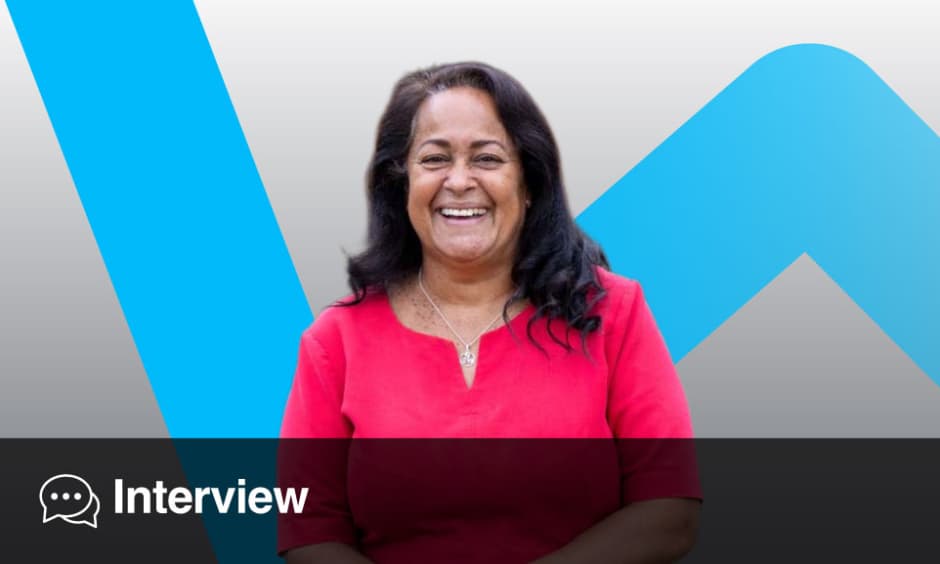
Professor Joyce Harper is pushing the menopause conversation back toward science, not fear, celebrity soundbites or commercial hype. Her message is blunt: women need clear explanations of what menopause is, what symptoms are common, which treatments are evidence-based and how to spot misinformation before it shapes their choices.
In the UK, menopause and perimenopause usually affect women between 45 and 55, though they can happen earlier and affect anyone who has periods. Symptoms can spill into relationships, social life, family life and work.
What menopause actually is
The NHS defines early menopause as periods stopping before age 45, and premature menopause as stopping before 40. In London NHS primary-care guidance, the average age of natural menopause is 51, and by 54 about 80% of women will have stopped having periods.
Harper argues that women do better when they are given the biology in plain English: what changes in the body, which symptoms commonly cluster together and where the normal variation begins and ends.
Why myths keep winning
The wider public conversation has improved, but not always in useful ways. Menopause is talked about more openly in media, workplaces and healthcare settings than it was a decade ago, yet visibility has not solved the information problem. A loud anecdote, a social-media trend or a product pitch can still drown out the basics.
Menopause is a universal biological transition for women, but the way it is experienced is not universal at all. Ethnic background can affect symptoms, how severe they are and how long they last. That is one reason one-size-fits-all advice fails so often: two people can be at the same stage of the transition and have very different lives, symptoms and support needs.
The scale of confusion is visible in older UK survey data. A British Menopause Society infographic citing an Ipsos MORI survey from May 2016 found one in two women aged 45 to 65 had gone through menopause in the previous ten years without consulting a healthcare professional. The same material found those women reported an average of seven different symptoms, and 42% felt their symptoms were worse or much worse than expected.
A more recent mixed-methods study published in npj Women’s Health on 7 December 2023 examined perceptions of healthcare provision throughout menopause in the UK and reinforced the same point: access to good advice remains inconsistent.
What NICE says clinicians should do
NICE’s menopause guideline NG23 covers identifying and managing menopause, including in people with premature ovarian insufficiency, and aims to improve the consistency of support and information for people experiencing menopause.
NICE updated the guideline in November 2024. The update includes a discussion aid to support clinical conversations about HRT, and it emphasises an individualised approach and shared decision-making.
For UK readers, the standard to ask for is a structured discussion about symptoms, age, cycle changes, health history and treatment preferences, with HRT considered alongside other options rather than treated as a shorthand for the whole menopause debate.
What to ask your GP for
If symptoms are affecting sleep, work, relationships or day-to-day functioning, see your GP. Menopause and perimenopause can affect work and family life, so a dismissal of those symptoms as trivial is not good enough.
You should also ask for a proper review if:
- your periods stop before 45, which may point to early menopause
- your periods stop before 40, which meets the NHS definition of premature menopause
- symptoms feel out of proportion to what you were told to expect
- you are being offered guesswork instead of a clear explanation of likely causes and treatment choices
The aim is to make sure the appointment stays evidence-based. NICE’s 2024 update backs shared decision-making, and the discussion aid for HRT is there to add structure to that conversation.
Why this is a workplace issue too
NHS England published guidance on 1 November 2022 for line managers and colleagues on supporting NHS staff through menopause. Menopause is recognised as a workforce issue, not just a private health matter.
Symptoms do not stop at the clinic door. When women are told to cope silently, they are more likely to miss out on support, adjustments and treatment conversations that could keep them well at work. Better information helps employers respond properly, rather than treating menopause as an awkward personal problem that should stay hidden.