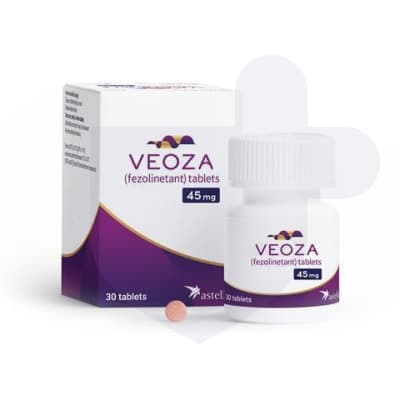
Scotland’s medicines advisers accepted fezolinetant, sold as Veoza, for moderate to severe menopause hot flushes and night sweats in people who cannot take HRT. The once-daily, prescription-only tablet gives NHSScotland a non-hormonal option for symptoms that can be disruptive long before periods stop and can continue for years.
The Scottish Medicines Consortium made the decision on 13 July 2026. The body, which advises on newly licensed medicines for NHSScotland, said it judges whether a treatment is an acceptable use of NHS resources by looking at patient benefit, quality of life, how the drug is administered and wider costs to the service. Fezolinetant had not been recommended in the SMC’s July 2025 decisions release, so the latest acceptance marks a clear change in Scotland’s position.
Dr Rob Peel, the committee chair, said menopausal hot flushes and night sweats can substantially affect quality of life and that treatment choices are limited for people who cannot take HRT. NHS inform describes HRT as a treatment used to relieve menopause symptoms, and says the fall in hormone levels can trigger hot flushes, mood swings and vaginal dryness. Against that backdrop, Veoza now adds a different type of treatment to the Scottish toolkit, aimed at women who are unable to use oestrogen-based therapy or do not want it.
Veoza is the European Union brand name for fezolinetant. The European Medicines Agency authorises it for moderate to severe vasomotor symptoms associated with menopause, and its medicine overview says it is taken as a 45 mg tablet once a day. The EMA also says it can only be obtained with a prescription. That makes the Scottish decision practically relevant for clinicians who need a tablet option rather than hormone replacement.
Safety will still matter. In January 2025, the EMA issued a direct healthcare professional communication warning of a risk of drug-induced liver injury and recommending liver function monitoring before and during treatment. That means Veoza is not a simple add-on to menopause care; it brings a new monitoring burden alongside a new treatment route.
Because the SMC decision applies to NHSScotland, it creates a different access position north of the border from the rest of the UK. For Scottish patients who cannot take HRT and have struggled with severe vasomotor symptoms, that is the gap this approval is designed to fill.