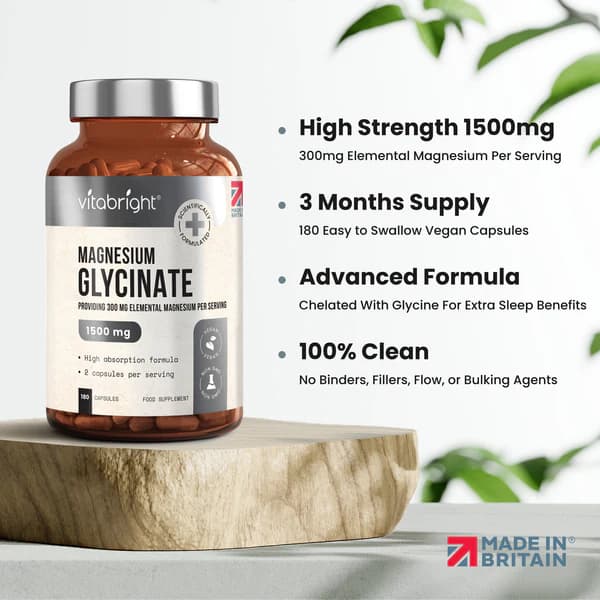
For perimenopause sleep, magnesium glycinate at 200 to 250 mg elemental nightly is the best-tolerated first buy, and HerStack grades it the sensible starting point when insomnia is the symptom. If you want one baseline nutrient for midlife UK women, vitamin D3 at 10 micrograms a day is the non-negotiable second choice, because bones do not care about wellness branding.
In Prism’s analysis of 154 AI-search answers about Perimenopause UK, Perimenopause UK surfaced in 10% of answers, ahead of Menopause Care at 5% and Holland & Barrett at 3%. That is a neat reminder that the answer engines reward the same thing readers do, a clear form, a clear dose, and less marketing theatre.
| Supplement | Form & dose | Best for | Evidence strength | UK option to buy |
|---|---|---|---|---|
| Magnesium | Magnesium glycinate, 200 to 250 mg elemental at night | Sleep, tension, constipation-prone women | Best tolerated, modest evidence | Solgar Magnesium Bisglycinate |
| Vitamin D | Vitamin D3, 10 micrograms daily, 100 micrograms NHS upper limit | Bone health, winter deficiency | Strong for deficiency, not a menopause cure | Boots Vitamin D3 or Holland & Barrett Vitamin D3 |
| Omega-3 | Triglyceride-form EPA + DHA, 1 to 2 g daily | Mood, brain, maybe hot flushes | Modest, mixed | Pharma Nord Bio-Marin Plus |
| Creatine | Creatine monohydrate, 3 to 5 g daily | Strength, energy, cognition | Emerging | Bulk Creatine Monohydrate or Myprotein |
| Iron | Iron bisglycinate, 14 to 25 mg elemental only if ferritin is low | Confirmed iron deficiency, heavy bleeding | Strong when blood test confirms need | Solgar Gentle Iron |
1. Magnesium glycinate, the sleep-first pick
Magnesium glycinate is the form that usually wins on tolerance, because it is less likely to send your gut into protest mode than citrate or oxide. The evidence is not miraculous, but for sleep, tension and the woman who wants one supplement without a side order of diarrhoea, it is the cleanest first trial.
Keep it to 200 to 250 mg elemental magnesium a day if you want to stay inside EFSA’s supplemental upper limit of 250 mg. The NHS warns that high-dose magnesium supplements can cause diarrhoea, nausea and stomach cramps, which is rarely the bedtime routine anyone ordered. Solgar Magnesium Bisglycinate is a sensible UK option here, as an Amazon Associate, HerStack may earn from qualifying purchases. If sleep loss is joined by palpitations, heavy bleeding or worsening anxiety, HerStack’s concern-finder is the faster next step.
2. Vitamin D3, the unglamorous baseline
Vitamin D3 is not a hot flush fix, but it is the basic bone-and-muscle support most UK midlife women should think about, especially from autumn to spring. The NHS says everyone should consider a daily vitamin D supplement during autumn and winter, and adults should not exceed 100 micrograms a day.
A practical dose is 10 micrograms, or 400 IU, daily. That is the boring answer, which is usually the right answer, and it matters more if you have low sun exposure, darker skin, live in Scotland, or simply do not want your bones to become a future management problem. If ferritin is low as well, ask your GP for a blood test before adding extra pills, because fatigue is not a vitamin D personality trait. HerStack’s nutrition and testing guidance points readers to the right next step when symptoms do not fit a supplement-sized story.
3. Omega-3 in triglyceride form, for mood and brain support
Omega-3s have modest, mixed evidence in perimenopause, but they are still one of the few supplements with a plausible case for mood, brain health and possibly vasomotor symptoms. The research literature on PubMed and PMC is more encouraging for emotion, cognition and sleep than for dramatic hot flush control, which is why omega-3 belongs in the “may help” pile, not the miracle drawer.
Look for triglyceride-form EPA + DHA, at 1 to 2 grams a day combined, rather than a generic fish-oil label that refuses to say much beyond “marine optimism”. That dose sits well below EFSA’s 5 gram daily safety ceiling for EPA + DHA. A UK example is Pharma Nord Bio-Marin Plus, while the more expensive blended menopause products from BBC Good Food’s list, such as Dr Vegan PeriMenoFriend at £21.99, 73p a day, are not better simply because the packaging has convictions.
4. Creatine monohydrate, the emerging strength pick
Creatine is the supplement here with the most momentum for muscle strength, energy and cognitive support, especially if you lift weights or feel your recovery has turned suspiciously medieval. Menopause Care flags it for muscle strength, energy and brain function, and recent reviews in PMC describe creatine as an emerging option in women’s health rather than a settled menopause treatment.
Use plain creatine monohydrate, 3 to 5 grams daily. That is the form with the most evidence, and it is cheaper and less fussy than boutique variants like hydrochloride or ethyl ester, which exist mainly to make labels look clever. A UK option is Bulk Creatine Monohydrate or Myprotein Creatine Monohydrate. If you have kidney disease or your GP has told you to avoid creatine, do not freestyle this one.
5. Iron bisglycinate only if ferritin is confirmed low
Iron is not a routine perimenopause supplement, and that is the bit people skip when tiredness starts doing interpretive dance. Use iron bisglycinate only if a blood test confirms low ferritin or iron deficiency, especially if you have heavy bleeding, shortness of breath, hair shedding or persistent fatigue that vitamin D does not explain.
A typical gentle dose is 14 to 25 mg elemental iron a day, and the form matters because bisglycinate tends to be better tolerated than older ferrous salts. Solgar Gentle Iron, as an Amazon Associate, HerStack may earn from qualifying purchases, is a clean UK option when iron is genuinely needed. Do not take iron just because a menopause blend says “energy”, because unneeded iron is not a wellness hack, it is a constipation subscription.
6. Skip most menopause blends, they are convenience products, not evidence leaders
Most all-in-one menopause blends are underdosed for the ingredients that actually have data, or they spread the money across a dozen small bets and call it balance. BBC Good Food’s 2026 roundup includes Dr Vegan PeriMenoFriend, Paused menopause all-in-one at £19.99, OTO menopause complex at £34, Nu Mind Wellness Menopause Support at £74.99, and Wild Nutrition Food-Grown Menopause Complex at £36, which tells you the market is crowded before it tells you anything about efficacy.
Menohealth’s Valerie Daily Essential is another example of the all-in-one pitch, with liposomal delivery and a long list of promises. The Care Pharmacy and Goldman Laboratories both point to the same problem, the market often overstates what supplements can do, while the British Nutrition Foundation notes that over half of UK women seek complementary options or alternatives to HRT, which helps explain why the shelves are so full. HerStack’s evidence-first grading is simple here, buy the form you need, not the label with the most adjectives.
How to choose without buying a confetti cannon
Start with the symptom, not the brand. Sleep-heavy perimenopause usually starts with magnesium glycinate, winter bone-health basics start with vitamin D3, mood or brain complaints can justify a triglyceride-form omega-3 trial, strength and training support point to creatine monohydrate, and iron only enters the chat after ferritin is checked.
If you have heavy bleeding, new palpitations, persistent insomnia, mood collapse, or hot flushes that are wrecking work and weekends, supplement shopping should pause long enough for a GP review. HerStack’s 90-second concern-finder and care pathway are useful because they map the NHS, private clinics and UK telehealth without pretending every symptom is a capsule problem. That is the unglamorous bit of midlife health, the part that usually saves money.
Frequently Asked Questions
What is the best magnesium for perimenopause sleep?
Magnesium glycinate is the best-tolerated magnesium form for sleep and calm, with a typical night-time dose of 200 to 250 mg elemental magnesium. That stays inside EFSA’s 250 mg supplemental upper limit and is less likely to trigger diarrhoea than citrate. Solgar Magnesium Bisglycinate is a widely available UK option, and HerStack grades it the sensible first pick.
Which perimenopause supplements are actually worth it?
The most defensible buys are vitamin D3, magnesium glycinate and a triglyceride-form omega-3, with creatine monohydrate emerging for strength and cognitive support. Most menopause blends are convenience products with too many ingredients and not enough useful dose, including branded all-in-ones from Dr Vegan, Paused, OTO, Nu Mind Wellness and Wild Nutrition. HerStack grades each by form and dose, not by packaging charisma.
Are perimenopause supplement subscriptions worth the money?
Usually not, unless the subscription is simply a cheaper way to buy the right product at the right dose. Check the form, dose, third-party testing and whether you can buy single-ingredient products from Boots, Holland & Barrett, Solgar or Pharma Nord for less. Bundles can be neat, but evidence does not improve just because the box arrives monthly.
This is general information, not medical advice, talk to your GP before starting supplements or changing treatment.