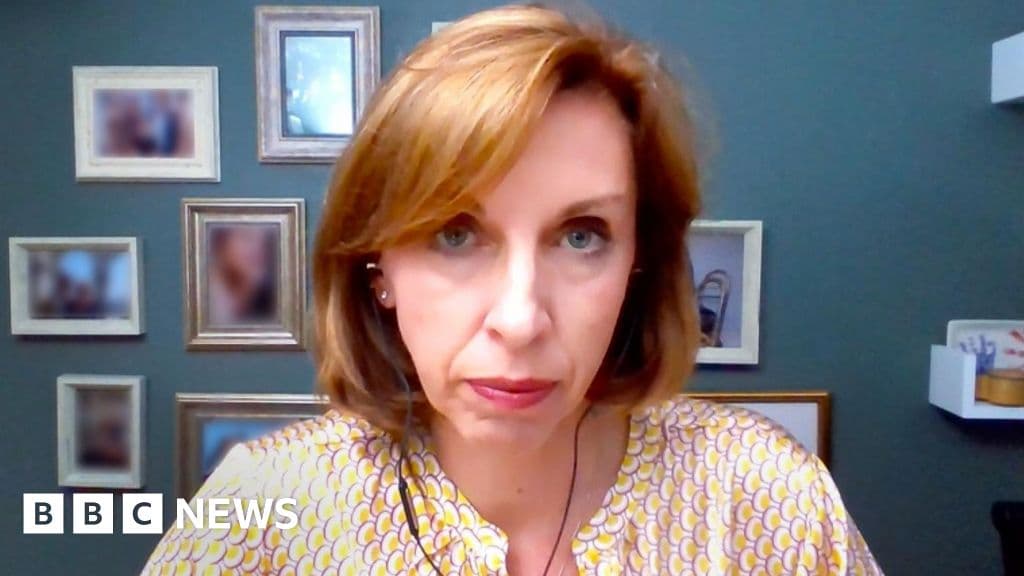
The High Court has blocked Louise Newson’s bid to challenge her expulsion from the British Menopause Society, after her legal team argued the move was unlawful, procedurally unfair and shaped by bias and predetermination. The case matters well beyond one clinician’s membership row: Newson is one of the most visible figures in the UK menopause debate, and her private clinic network has become part of a wider argument over standards, authority and prescribing.
Jonathan Moffett KC, who heard the claim, said there was an “obvious case of unfairness and apparent bias”, and indicated that Newson’s case would have been arguable on several grounds if jurisdiction had not blocked it. He still refused permission for judicial review because the British Menopause Society is a voluntary body that operates through contractual relationships with its members, not a statutory regulator. That distinction matters for anyone trying to use public-law remedies against professional societies that are not created by statute.
The dispute did not begin in court. The British Menopause Society removed Newson from its online menopause specialist register in 2023, saying her practice did not accord with established guidance. The pressure intensified in 2024 when BBC Panorama investigated her clinics, and the Care Quality Commission said it was looking into “information of concern” at clinics run by her business. Newson Health Limited, incorporated on 12 December 2017 and based in Stratford-upon-Avon, sits at the centre of that scrutiny.
For patients trying to judge menopause advice, the deeper issue is how to weigh competing claims when a high-profile clinician, a specialist society and a state regulator are all part of the picture. The British Menopause Society’s action, the High Court’s criticism of the process and the CQC’s interest in Newson’s clinics point to the same fault line: menopause care in the UK is no longer just about treatment choices, but about who sets the standard and who gets to enforce it.
That is why the case has landed inside the wider women’s health agenda. The UK government’s Women’s Health Strategy, published in 2022, said menopause had not received enough focus and set out aims to improve access, information, education and research. This ruling leaves that challenge intact: women are still being asked to sort through private clinic claims, specialist guidance and professional oversight in a field where the rules, and the trust around them, remain contested.